
Mycelial Echoes

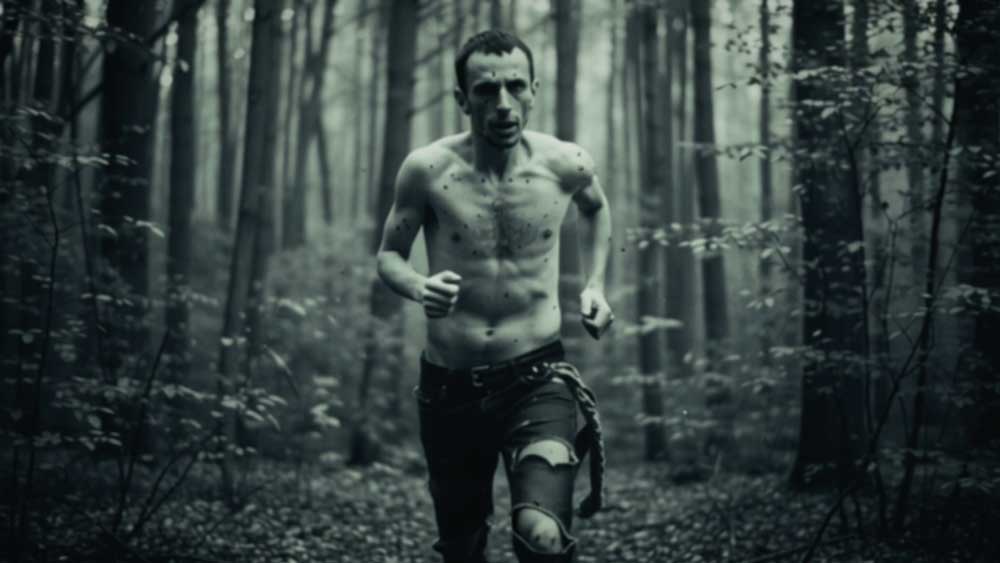
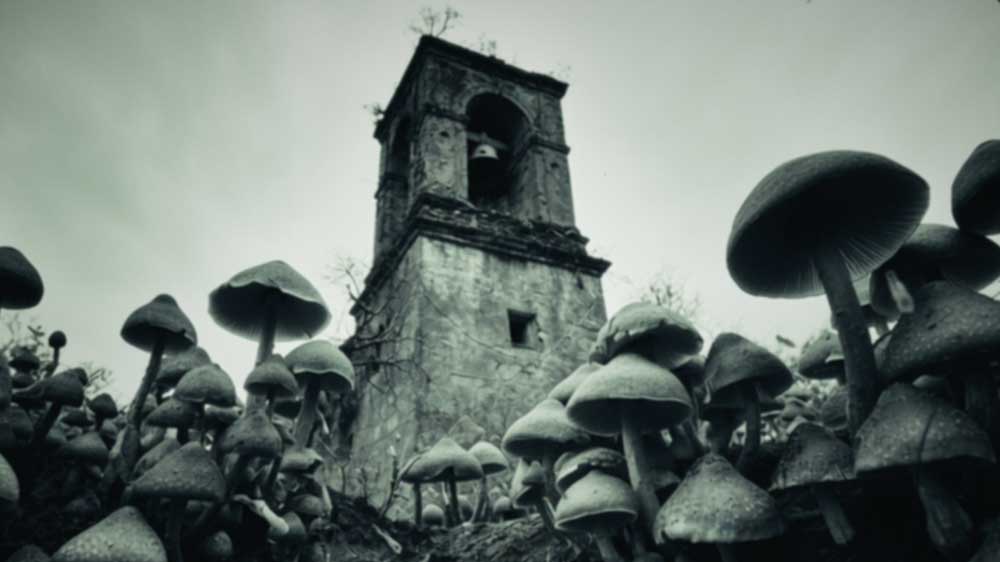
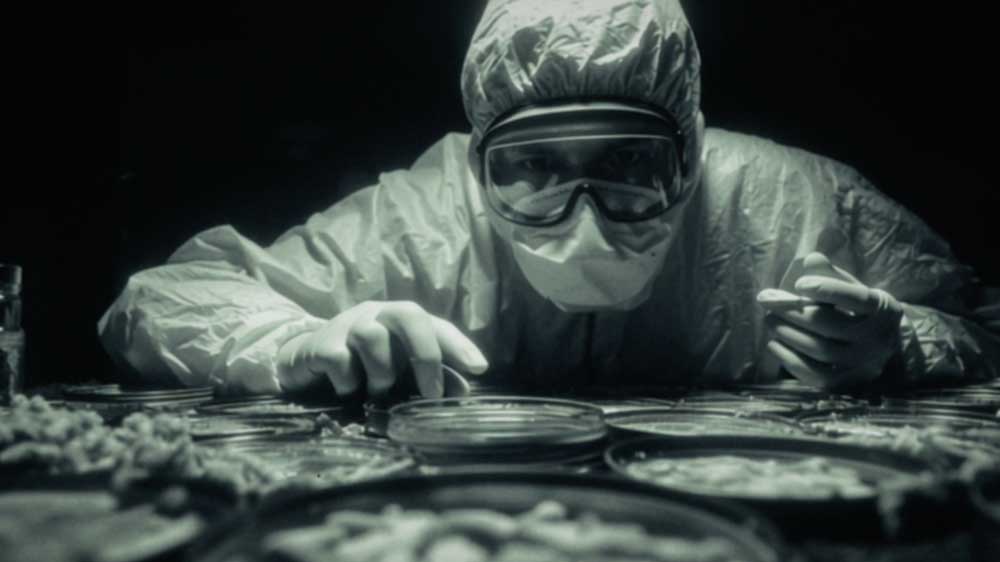
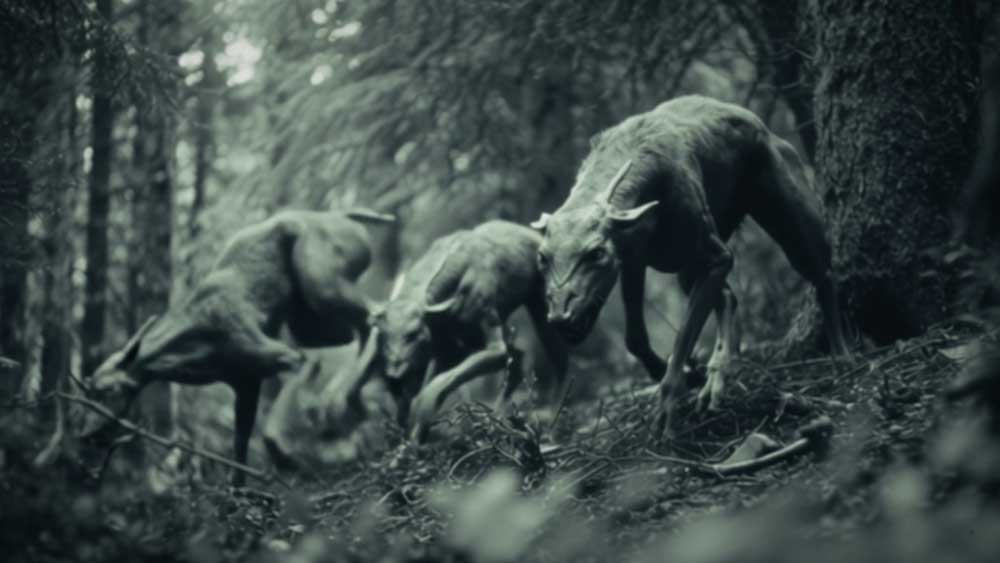
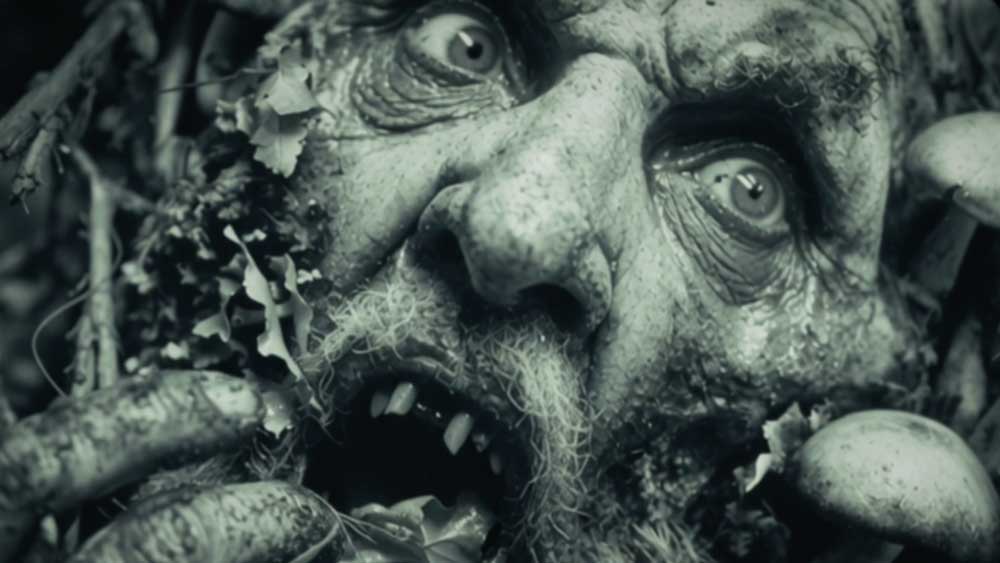
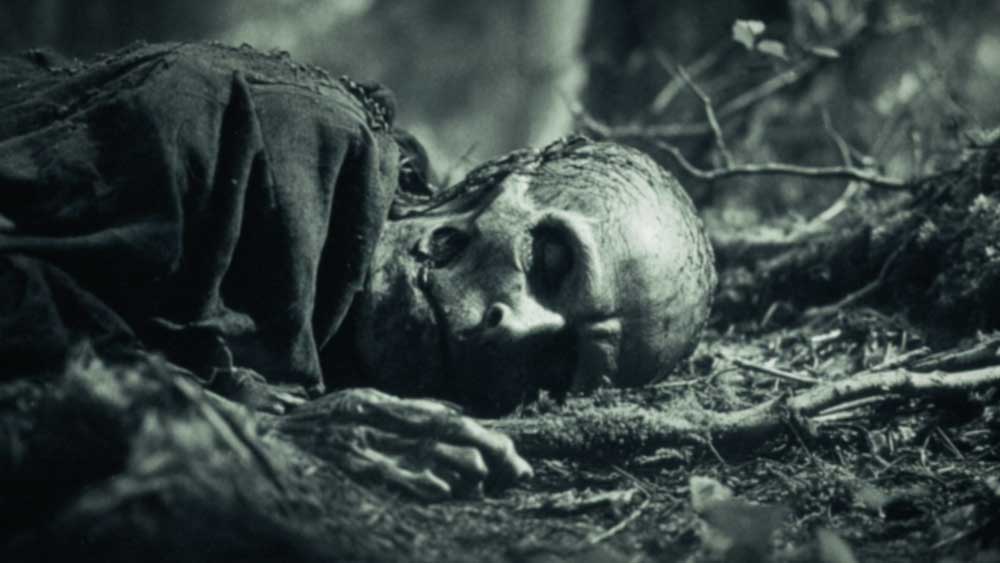
Mycelial Echoes examines the boundaries between dream and waking, trauma and reality, questioning the nature of perception in a world where certainty has become impossible. The work explores epistemological anxiety – the inability to trust one’s own consciousness – through a vision of a world colonized by mycelium, which functions both as biological infection and as a metaphor for mental contagion.
I am interested in the fungus as a transgressive organism – a decomposer that simultaneously creates new connections, builds underground communication networks, and exists at the boundary between death and life. In my work, mycelium becomes a force that not only consumes the material world but colonizes psychic reality, making it impossible for the protagonist – and the viewer – to determine where nightmare ends and waking begins.
I use AI tools as a medium – a technology that is itself a form of “digital mycelium,” colonizing and processing human imagination. AI generates images from training data just as fungi decompose dead matter – creating something new from digested past. This parallel logic becomes part of the work: the machine dreams alongside the protagonist, generating visions from fragments of reality that we cannot fully control or understand.
Aesthetically, I draw from the tradition of Béla Tarr’s cinema – monochromatic images, intense film grain. Grain here serves as a tool of destabilization: the image becomes less certain, more open to hallucination. Rhythmic editing and recurring sonic motifs – music penetrating between dimensions, telephone ringing as punctuation – create the impression of a loop from which there is no escape. The sound design by Mariusz Orchel amplifies this disorientation, weaving audio into the fabric of the nightmare.
Mycelial Echoes is a reflection on the contemporary experience of uncertainty – in an age of AI, disinformation, and blurring boundaries between the human and the machinic, we live in a state of permanent disorientation. If AI can generate realities indistinguishable from the real, hasn’t our own perception already become infected? Can we trust what we see if we don’t know who – or what – generated it? The film offers no answers – instead, it traps the viewer in a loop where each awakening may be merely another layer of dream, another generated image.
Alexandria, Egypt — International Short Film Festival
Official Selection
Amsterdam, Holland — New Cinema Film Festival
Honorable Mention
Los Angeles, U.S.A. — SCA
Award Winner
Warsaw, Poland — On Art AI
Official Selection
Seoul, South Korea — International AI Film Festival
Award Winner
Barcelona, Spain — CinemaBriz Film Festival
Official Selection
Saint-Philippe, — MEME PAS PEUR International Fantastic Film Festival
Official Selection